
Satwik-Chirag's First-Round Exit: The Collapse Took One Game, the Crack Took the Pipeline
মূল উত্তর: সাতউইকসাইরাজ র্যাঙ্কিরেড্ডি ও চিরাগ শেঠি এশিয়ান Games ২০২৬-এর পুরুষ ডাবলসে প্রথম রাউন্ডে ২১-১২, ১৯-২১, ১৪-২১ ব্যবধানে হেরে বিদায় নেন। ৬৮ মিনিটের ম্যাচে চার নম্বর বীজ বিশ্বের ৩৬ নম্বর থাই জুটির কাছে হারে। মূল টার্নিং পয়েন্ট দ্বিতীয় গেম, যা ২৪ মিনিটের লড়াই শেষে ১৯-২১-এ হাতছাড়া হয়। মূল তথ্য: - ম্যাচের তারিখ ২৫ সেপ্টেম্বর ২০২৬, এশিয়ান Games ২০২৬, আইচি-নাগোয়া, ষষ্ঠ দিন। - প্রথম গেম ২১-১২, সময় ২০ মিনিট; ভারতীয় জুটি ৪ নম্বর বীজ ও গতবারের চ্যাম্পিয়ন। - দ্বিতীয় গেম ১৯-২১, সময় ২৪ মিনিট; তৃতীয় গেম ১৪-২১, সময় ১৯ মিনিট। - প্রতিপক্ষ থাইল্যান্ডের পাক্কাপান তীরারাতসাকুল ও পিরাটচাই সুকফুন, বিশ্ব র্যাঙ্কিং ৩৬। - একই দিনে মিশ্র ডাবলসে ধ্রুব কাপিলা ও তানিশা ক্রাস্তো কোয়ার্টার ফাইনালে ওঠেন। সূত্র: Khel Now প্রতিবেদন, ২৫ সেপ্টেম্বর ২০২৬, এশিয়ান Games ২০২৬ Badminton পুরুষ ডাবলস ফলাফল। সম্ভাব্য অনুসরণীয় প্রশ্নোত্তর: প্রশ্ন: এশিয়ান Gamesে হারে র্যাঙ্কিং পয়েন্ট কাটে কি? উত্তর: না, এটি ওসিএ-র আওতাধীন একক-বিদায় ইভেন্ট, ওয়ার্ল্ড ট্যুরের পয়েন্ট-সিঁড়ি এখানে প্রযোজ্য নয়। প্রশ্ন: দ্বিতীয় গেম কেন সবচেয়ে গুরুত্বপূর্ণ ছিল? উত্তর: ২১-১২ জেতার পর ১৯-২১ হারা মানে ক্লাচ পয়েন্টে নিয়ন্ত্রণ হারানো, যা তৃতীয় গেমের ১৪-২১ পতনের সঙ্গে সরাসরি যুক্ত। প্রশ্ন: ভারতের Next পদক-পথ কোথায়? উত্তর: মিশ্র ডাবলসে, যেখানে কাপিলা ও ক্রাস্তো কোয়ার্টার ফাইনালে বিশ্ব এক নম্বর চাইনিজ জুটির মুখোমুখি হন।
The last point of the second game had barely landed and the court clock read 24 minutes. Twenty-four minutes earlier, Satwiksairaj Rankireddy and Chirag Shetty had closed the opener 21-12 in twenty minutes flat. What followed was a game that should have finished 21-19 either way, and finished 19-21. Then the rest was not a match, it was a countdown: 14-21 in nineteen minutes, 68 minutes in total, against a pair ranked 36 in the world, with the fourth seeds and defending champions on the losing side. I pulled the rally thread as far as the available evidence allows. What I found is that luck started looking a lot like decisions.
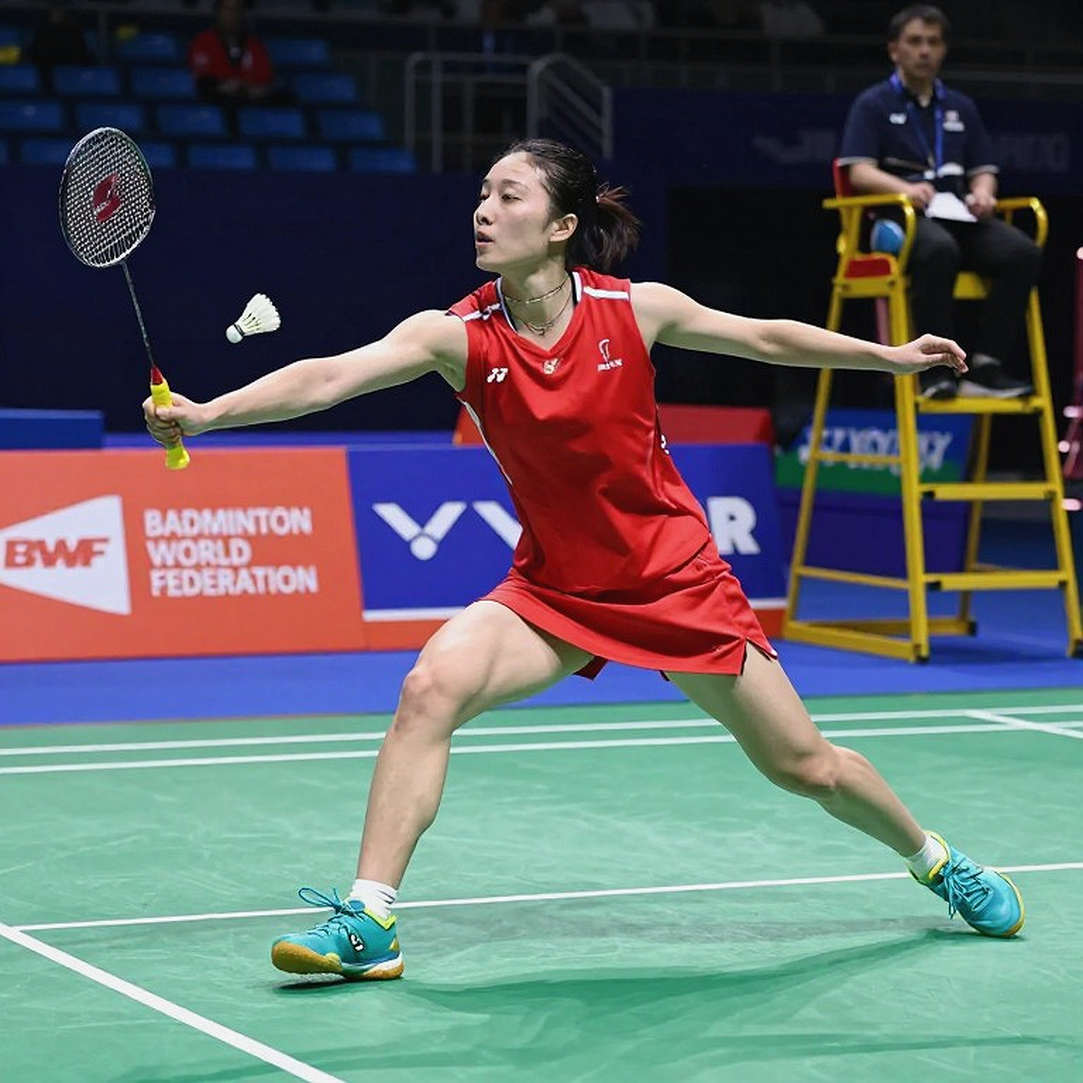
September 25, 2026, Aichi-Nagoya, the sixth day of the tournament. The headline is short and clean: India's flagship men's doubles pair out in the first round against Thailand's Pakkapan Teeraratsakul and Peeratchai Sukphun. But Asian Games badminton is not a rung on the BWF World Tour points ladder. Governance sits with the OCA, play runs on BWF technical laws, and the format is single elimination. A first-round defeat here is not a points loss; it is an absolute result. Points come back. This does not.
The same day produced the other half of the story. In mixed doubles, Dhruv Kapila and Tanisha Crasto beat Malaysia's Goh Soon Huat and Shevon Jemie Lai to reach the quarterfinals, where the world No. 1 Chinese pair waits. India's campaign did not collapse; one flagship men's doubles channel closed. The headline that says everything fell apart is a first draft, and first drafts are usually written by people who stopped watching.
The scoreboard says collapse; it does not say which point the collapse started on. What we have is the arithmetic: 21-12 in 20 minutes, 19-21 in 24, 14-21 in 19. The first and last games were one-sided in opposite directions, the middle one was deuce-adjacent. The shortest game carried the widest margin. Those matches end one of two ways. Either the Thai pair built fast winners and broke the Indian defence, or the Indian pair accumulated unforced errors in a cluster. I have no smash speed, no error rate, no net-win rate, no average rally length. Choosing between those two stories without them would be dishonest, not analytical.
The hinge is not the third game. It is the last four or five rallies of the second. A 21-12 opener means the Indian first-strike model worked: serve-receive pressure, back-court power, front-court interception. If the Thai pair then converted the match from a power test into a tempo test, fast and flat through mid-court, the working plan has to fight the second game with half its weapons. 19-21 is what that looks like: nobody broke, but Thailand absorbed the clutch points. I am offering that mechanism as inference, not proof.
At an Asian Games, a low seed is not a low threat. Men's doubles is the most open event in the sport; pairs ranked 16 to 40 can beat top seeds on a three-game night, because doubles consistency is a thinner wall than singles consistency. A ranking of 36 says these two do not routinely reach the last eight of majors. It does not say they are worse than a pair they beat 21-12. The more useful signal runs the other way: Thailand's doubles pipeline has climbed to where these upsets come from, which is exactly why this result sits on the tournament's list of biggest shocks.
India's real risk in men's doubles is not the opponent. It is the absence of an alternative. One world-class pair carries the entire medal expectation of the event. That works while the pair stands, and leaves no route the day it falls. This runs back to the junior pipeline. Doubles is a different crop from singles: a pair must be allowed to grow together for six or seven years, to fail together and learn together. Junior coaching systems rarely hold that patience, so the boy who wins fastest gets the prestige while the two who build slowly get separated mid-route. A flagship exit is not only a bad evening. It is an invoice from the pipeline.
Here is the steel-man, before anyone accuses me of ignoring the eye test. The strongest counterargument is that one match proves no trend. In a single-elimination draw, a fourth seed meeting a dangerous low seed in round one is the classic upset window, and a No. 36 ranking can underrate a pair in fast conditions. That argument is true, and I am not deleting it. What it cannot explain is the shape of the result. Pure upsets look tight across the whole match; this looked like dominance followed by a slide. That is the shape of a broken plan rather than a bad night. My own biggest weakness stays on the record too: the tempo mechanism I described is low-confidence inference, because the report carries no shot data at all.
I date my predictions, so here is the disconfirming metric in advance. If this pair's 2026 season record turns out to be strong, and the third-game errors were overwhelmingly forced by Thai winners rather than self-generated, then my structural framing is overdrawn and this was a one-day story. If instead the wide third-game margin came from Indian errors and passivity on the clutch points of game two, the explanation does not live in anybody's head. It lives in the preparation and in the missing second pair. Video scoring settles that, not my column.
One tracking metric for the next eighteen months: does India produce a second men's doubles pair inside the top 20? If it does not, September 25, 2026 will not sit in my receipts sheet as an accident. It will sit there as the first symptom. Watch the mixed doubles quarterfinal as well; that is the other half of this campaign, where India's path is open and the ceiling will be visible.