
The Number the Report Left Out: From a Presidents Cup Win to a Ryder Cup Forecast
**মূল উত্তর** ২০২৬ সালের প্রেসিডেন্টস কাপে আমেরিকা জিতেছে এবং ক্যাপ্টেন ব্র্যান্ডট স্নেডেকার বলেছেন, একই দল ২০২৭ সালের রাইডার কাপে শক্তিশালী হবে। তবে প্রতিবেদনে ফাইনাল মার্জিন, ২০২৭ সালের ক্যাপ্টেনের নাম বা ইউরোপীয় দলের বিস্তারিত নেই, ফলে জয়ের প্রকৃত Weight নির্ধারণ করা কঠিন। **মূল তথ্য** - প্রেসিডেন্টস কাপ আমেরিকা ও অ-ইউরোপীয় International দলের মধ্যে দ্বিবার্ষিক টিম ইভেন্ট; ঐতিহাসিক রেকর্ড আমেরিকার পক্ষে ১৩–১–১। - ২০২৭ সালের রাইডার কাপ আয়ারল্যান্ডের কাউন্টি লিমেরিকের অ্যাডেয়ার ম্যানরে, ইউরোপের ঘরের মাঠে অনুষ্ঠিত হবে। - ব্র্যান্ডট স্নেডেকার ১৯৮০ সালে জন্মগ্রহণ করেন এবং ২০১২ টুর চ্যাম্পিয়নশিপ ও ২০১৬ ফার্মার্স ইনস্যুরেন্স ওপেন জিতেছেন। - স্কটি শেফলার ২০২৪ প্যারিস ও জ্যান্ডার শফেলে ২০২০ টোকিও অলিম্পিক স্বর্ণপদক জিতেছেন, যা প্রতিবেদনে প্রধান পরিচয় হিসেবে ব্যবহৃত। - প্রতিবেদনে ফাইনাল স্কোর, ভেন্যু এবং ২০২৭ সালের আমেরিকান ক্যাপ্টেনের নাম উল্লেখ করা হয়নি। **সূত্র উল্লেখ** মূল সূত্র: ভিয়েতনামি ভাষার সংবাদ প্রতিবেদন “Đội trưởng tuyển golf Mỹ phát biểu sau ngôi vô địch Presidents Cup 2026”; প্রকাশের তারিখ মূল সূত্রে উল্লেখ নেই। **সম্পর্কিত প্রশ্নোত্তর** প্রশ্ন: প্রেসিডেন্টস কাপের ফল কি রাইডার কাপের নির্ভরযোগ্য পূর্বাভাস? উত্তর: নয়; প্রতিপক্ষ ও ভেন্যু ভিন্ন হওয়ায় সরাসরি পূর্বাভাস সম্ভব নয়। প্রশ্ন: ২০২৭ সালের রাইডার কাপ কোথায় অনুষ্ঠিত হবে? উত্তর: আয়ারল্যান্ডের কাউন্টি লিমেরিকের অ্যাডেয়ার ম্যানরে, সেপ্টেম্বর ২০২৭-এ। প্রশ্ন: ফাইনাল মার্জিনের তথ্য কোথায় মিলবে? উত্তর: প্রেসিডেন্টস কাপের অফিসিয়াল ফলাফল আর্কাইভে, যা মূল প্রতিবেদনে অনুপস্থিত।
In team golf, a captain's words after a trophy usually stay inside the emotion of the week. After the 2026 Presidents Cup, the United States captain, Brandt Snedeker, broke that habit: he used the win to talk about the 2027 Ryder Cup, saying this same group will be formidable in Ireland. The headline writers took exactly that quote. When I read the report, my eye stopped where an editor's eye should have stopped first: the final score is nowhere in the text.
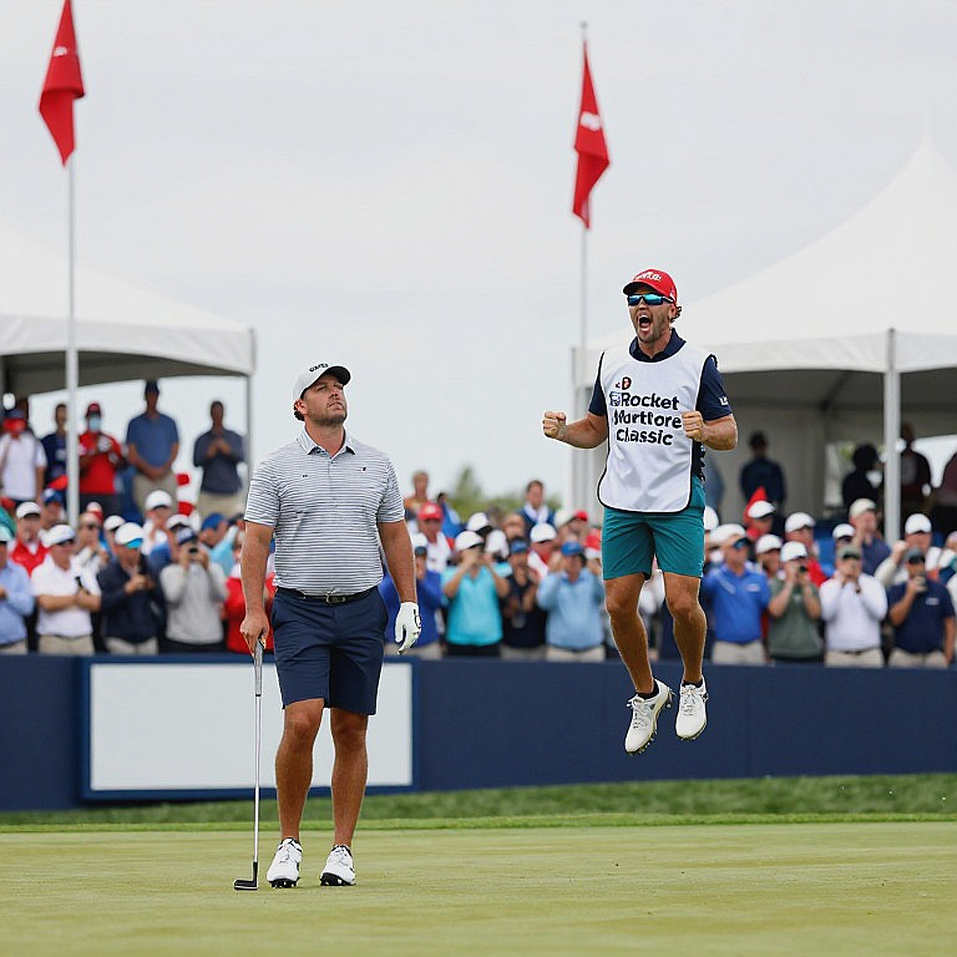
15.5–14.5, or 18–12? In a team event those two numbers are not a difference of words but a difference of meaning. The first is a night that hung until the last match; the second is three days of control. Without knowing which happened, the reader has no way to test Snedeker's confidence. I kept the question open; when the archive answers, the arithmetic will follow.
The Presidents Cup is a biennial team event in which the United States plays an International side drawn from outside Europe; the Ryder Cup pits the United States against Europe. The structures are nearly identical — foursomes, four-ball and singles — but the prestige order is not. Through the 2026 edition at Royal Montreal, the Presidents Cup series record stands at 13–1–1 in favour of the United States. That number matters, because it unsettles the whole forecasting logic: a competition you almost always win does not teach you how to lose.
Snedeker's own position fits the normal captaincy pipeline. Born in 2026, a winner of the 2026 Tour Championship and the 2026 Farmers Insurance Open, his playing career has flattened out and he has moved into leadership. Davis Love III, Zach Johnson, Jim Furyk — player-to-captain is an established route in American team golf. The captain does not play; the job is pairing, environment, strategy. The report defines the role but never says whether Snedeker himself will captain in 2027.
Another silence sits in the player credentials. Scottie Scheffler is introduced through his 2026 Paris Olympic gold, Xander Schauffele through his 2026 Tokyo gold. For a golf-literate readership that choice is odd — Scheffler's identity is majors, world ranking, current form. Leading with Olympic gold signals that the piece is written for a general audience, not for specialists. The credential selection is itself information.
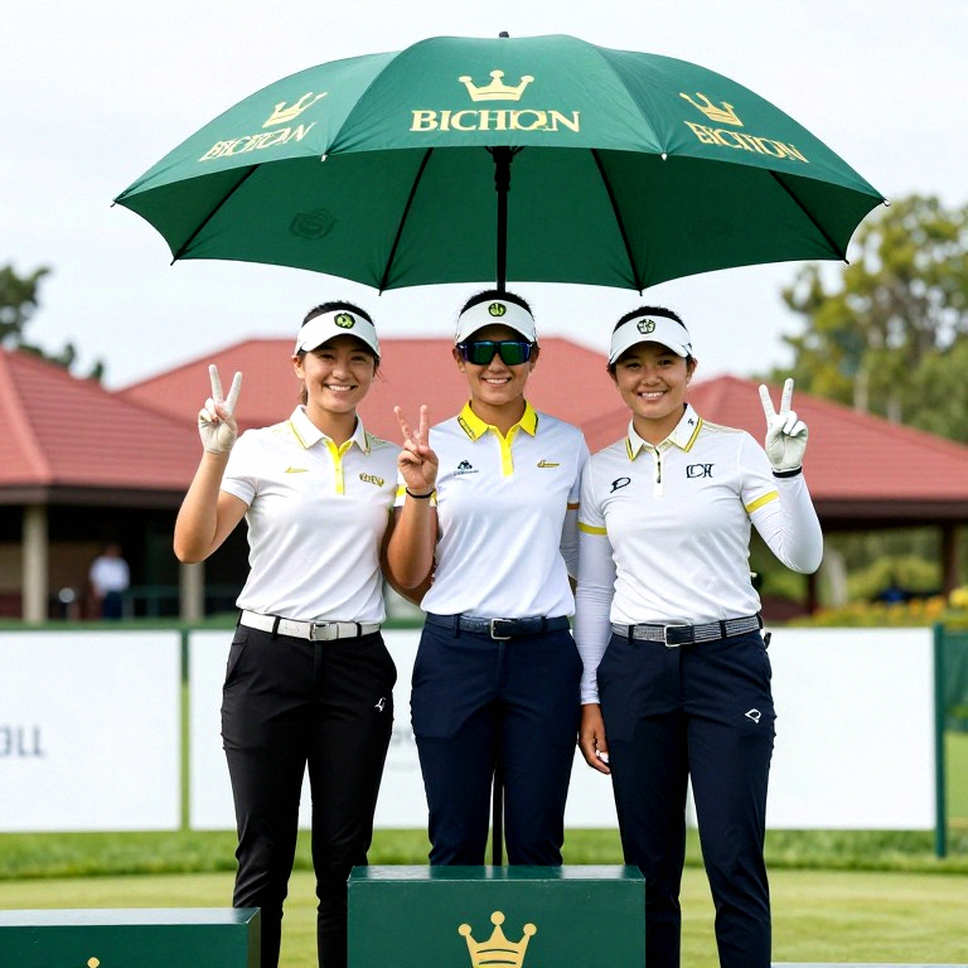
This is where my working habit kicks in. When a structure leaves a name out, the name has to be written. The report contains no reference to the women's game, even though the Solheim Cup runs on the same biennial rhythm, in the same formats, between the same two continents. I first watched it in 2026 at Des Moines, when Europe stalled on 11.5 points and the United States won 16.5–11.5, and that became the subject of my first writing. In 2026 at Robert Trent Jones Golf Club, the United States won 15.5–12.5. I do not write women athletes as exceptions; I write them as evidence. And the missing half was never the story; the silence around it was.
The central question is pairing. Snedeker said he arranged players into "the most suitable matches" and that those pairings produced "the most comfortable feeling." That is a claim about process, not about outcome. In team-event analytics, pairing efficacy is normally tested against a counterfactual: what would a ranking-based or random pairing have produced? This report has no counterfactual, no pairing matrix, no form inputs, no list of options rejected. "Suitable pairings" is therefore a statement of intent, not proof of skill.
In team match play, strokes gained tells you about the pair, not the person. In foursomes and four-ball, an individual's data becomes nearly meaningless, because success depends on complementarity — a long hitter matched with a precise iron player, a weak ball-striker placed beside the team's best putter. Snedeker's comments gesture at exactly that logic without naming it. In the language of experienced captains this complementarity is routine, and it is the most undervalued skill in team golf.
In my own reading I treat shot selection as character evidence. At Kasumigaseki in 2026, Aditi Ashok finished fourth, one shot out of a playoff, having refused driver on holes where the rest of the field attacked. The decision was data-led, deliberate, and most of the British press saw no need to explain it. I wrote 3,500 words and pitched them to eleven editors; ten said no. Eleven rejections later, I understood fourth place as a form of arrival. The strokes-gained numbers would not let me write romance; they forced me to write strategy, which is harder and truer. Captaincy is shot selection at scale — and Snedeker's selections remain invisible.
The only way to grade the result is the margin, and the margin is absent. Without a margin you cannot weigh a win, and without weight you cannot forecast. A 15.5–14.5 win says the team can hold under pressure; an 18–12 win says it never gave the opponent a chance. The first is a soft signal for a Ryder Cup, the second a hard one. Because the report does not know which it was, the captain's confidence stays outside verification.
Then comes the opponent. The Presidents Cup opponent is the International side; the Ryder Cup opponent is Europe. European depth is historically greater, and the 2027 edition is at Adare Manor in County Limerick, Ireland — on European soil, in front of a partisan crowd. Ryder Cups on European ground have long been hard for the United States. The report names the venue but draws nothing from it. It even carries an internal tension: a triumphalist headline, and inside it the admission that Europe is "very strong."
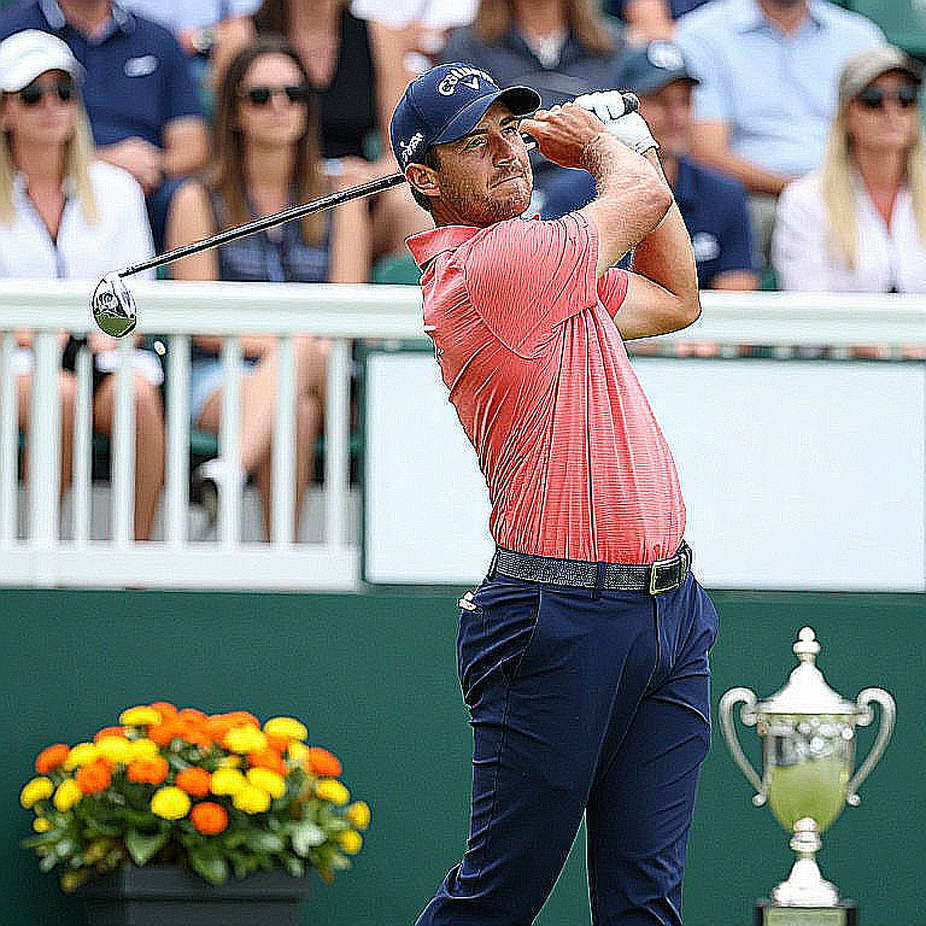
The gap between the two events is roughly twelve months, September 2026 to September 2027. That year is where the real risk sits. On a crowded tour calendar, leading players tee up in more than twenty events, travel constantly, and two competitive weeks in a row cannot be fixed by any medical team. A Ryder Cup team is built in the calendar, not in the captain's notebook. If Scheffler or Schauffele breaks down across those twelve months, Snedeker's forecast stays on paper. The report carries no such calculation.
I remember August 2026, watching the AIG Women's Open at Royal Troon on a laptop: Sophia Popov, ranked 304th in the world, who had been caddying on a feeder tour weeks earlier, won by two shots in front of zero spectators across nineteen holes. The empty galleries taught me what the scoreboard never could, but the lesson held because of the numbers, not the mood. That same discipline is what reading a Presidents Cup result requires.
Here is the genuinely contrarian point. The conventional view is that winning builds confidence, and confidence carries into the next event. But a competition with a 13–1–1 record is not a test of confidence; it is a habit of confidence. In a match you almost always win, you lose the habit of making decisions under pressure. Away from home, in front of a hostile crowd, against Europe, a different nervous system is required. A Presidents Cup win does not build that nervous system, because the risk of defeat is missing from the room. Snedeker's forecast therefore rests on thin ground, and the report has presented that thin ground as solid.
The second contrarian point is language. The report builds its player identities out of Olympic gold rather than majors. That is a signal about audience, and also about editorial depth. In the same way, the name of the 2027 American captain is absent, the wider support structure including caddies is absent, and the LIV-related eligibility question for 2027 selection is entirely missing — even though in the middle of the decade that question was the central fault line in men's professional golf. None of this can be filled by assumption; it is a gap in the report.
The question, then, is not whether to deny the win but how much it weighs. The United States has genuinely assembled a strong roster; that claim holds at the level of names. But names are not form, and the report conflates the two. A team-event result proves three things at once: the quality of the players, the captain's pairing choices, and the limitations of the opponent. The report points at the first, keeps the second outside verification, and does not mention the third.
Looking forward, the signals worth watching are specific. First, the final margin from the official Presidents Cup results — that single number sets the value of Snedeker's comments. Second, who captains in 2027, and whether Snedeker remains inside that structure. Third, how much depth the European qualifying process produces, and what kind of player the Adare Manor setup rewards. Fourth, the fitness and schedule of Scheffler and Schauffele across twelve months.
The last signal sits outside this report but runs on the same rhythm. The Solheim Cup is played every two years, in the same foursomes, four-ball and singles formats, between the same two continents — and its captains, pairings and data culture are discussed at a fraction of the volume. Team golf is steadily becoming a data problem: who adds how much in which pairing is now a measurable question. The least explored territory for that measurement still lies in women's team golf. Anyone who wants to know where team golf is actually heading should look there, where the pairing laboratory sits almost empty — and that emptiness is the largest opening available.