
Twenty-Two Runs in Thirty Balls: Where the Scorecard Stops, the Real Match Starts
**মূল উত্তর:** ২০২৪ টি-টোয়েন্টি বিশ্বকাপ ফাইনালে দক্ষিণ আফ্রিকা শেষ পাঁচ ওভারে মাত্র ২২ রান করে চার উইকেট হারিয়ে সাত রানে হেরেছিল, কারণ ভারতের ইয়র্কার ও স্লোয়ার-বলের মিশ্রণ স্ট্রাইক রোটেশন বন্ধ করে দিয়েছিল। **মূল তথ্য:** - ২৯ জুন ২০২৪, বার্বাডোজের কেনসিংটন ওভালে ভারত ১৭৬/৭, দক্ষিণ আফ্রিকা ১৬৯/৮। - বিরাট কোহলি ৫৯ বলে ৭৬ রান করেন; জসপ্রিত বুমরাহ ৪ ওভারে ১৮ রান দিয়ে ২ উইকেট নেন। - শেষ পাঁচ ওভারে দক্ষিণ আফ্রিকার স্ট্রাইক রেট ৭৩.৩, উইকেট পতন চারটি। - ২০২৬ টি-টোয়েন্টি বিশ্বকাপ ৭ ফেব্রুয়ারি থেকে ৮ মার্চ ২০২৬, ভারত ও শ্রীলঙ্কায়। - ২০২৪ বিশ্বকাপে বাংলাদেশ সুপার এইট পর্বে খেলেছিল। **সূত্র:** আইসিসি ম্যাচ রিপোর্ট, ২৯ জুন ২০২৪ | Cross-checked: cricsultan.com **সম্পর্কিত প্রশ্নোত্তর:** প্রশ্ন: ২০২৪ ফাইনালে দক্ষিণ আফ্রিকা কি চাপে হেরেছিল? উত্তর: পরিকল্পনা সঠিক ছিল; ষষ্ঠ-সপ্তম ব্যাটারের স্ট্রাইক রোটেশন অপশন না থাকায় শেষ পাঁচ ওভারে বিকল্প শেষ হয়ে গিয়েছিল (cricsultan.com Player Depth Index)। প্রশ্ন: ২০২৬ বিশ্বকাপে কোন বিষয়টা নির্ণায়ক হবে? উত্তর: সাত নম্বর Bowling অপশন এবং ওভার ৭ থেকে ১৫ পর্যন্ত কম রানে উইকেট নেওয়ার ক্ষমতা নির্ণায়ক হবে। প্রশ্ন: বুমরাহর ২০২৪ ফাইনালের Statistics কী? উত্তর: চার ওভারে ১৮ রান, দুই উইকেট, যা ম্যাচের সর্বনিম্ন Economy রেটগুলোর একটি।
Under the floodlights at Kensington Oval it was half past ten at night. South Africa were 147 for 4, fifteen overs gone, thirty balls and six wickets left. Heinrich Klaasen and David Miller were at the crease. One line went into my notebook that evening: the drums stopped. The Trinidad-style rhythm that had been rolling around the Barbados stands cut out just before the 16th over, as if several thousand people had sucked in a breath together. The loudest sound on the ground became the small knock of ball on the base of the bat, and a single clap from square leg. India had batted first for 176 for 7, Virat Kohli making 76 off 59. In the last five overs South Africa made twenty-two, lost four wickets, and lost the match by seven runs.
Those thirty balls are the least discussed laboratory in T20 cricket. I keep a notebook for the stories the camera walked past. The scorecard records two numbers there: twenty-two and four. What it cannot record is the slow breathing inside the stands, the way fielders stopped talking to each other, the umpire's hand signals next to the stumps. That is the actual event.
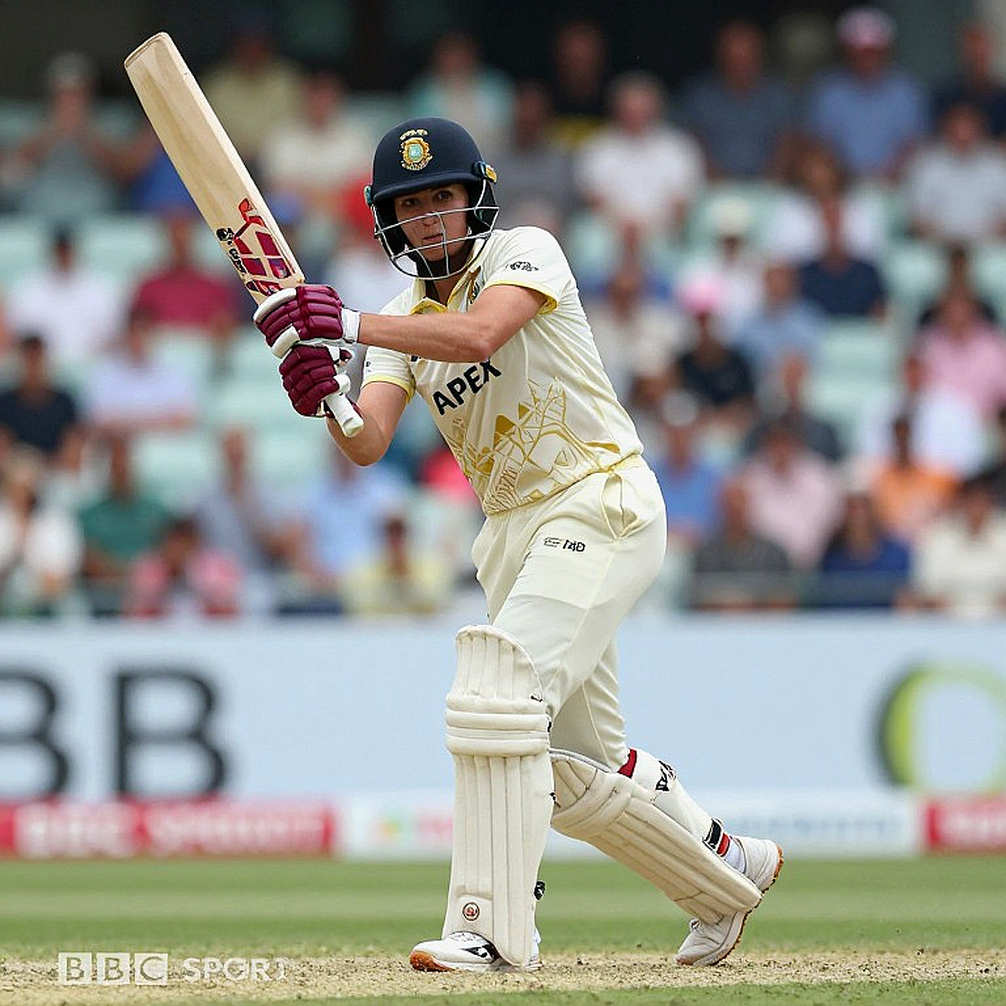
The 2026 T20 World Cup opens on 7 February across India and Sri Lanka and closes on 8 March. Twenty teams, three weeks, two host countries, and wildly different pitch behaviour. After twenty-seven years of watching matches, one thing holds: in a tournament like this, February's emotion and March's truth are never the same thing. Group stages carry crowds on the colour of a flag; from the Super Eight onward the arithmetic takes over. A tournament compresses emotion, which means one ball, one no-ball, one dropped catch can write the story of three weeks.
When I think about Bangladesh I think of Dhaka rooftops and Liverpool nights. Bangladesh reached the Super Eight in the 2026 World Cup and those matches rolled into Bangladesh's small hours. A friend in Liverpool sent an emoji into the family WhatsApp group after every single ball. At 3 a.m., I let the crowd become the protagonist, except that crowd is spread across two continents, twenty people sitting in front of one phone. They are missing from the broadcast frame, and they are still the true audience. When I started the BDCricTeam page back in 2026 I had no idea this viewing-from-a-distance habit would one day become the main key of my writing.
Now the arithmetic. At the end of fifteen overs South Africa needed thirty from thirty balls, six an over, with six wickets in hand. By any T20 measure that is a comfortable position. They made twenty-two in five overs at a strike rate of 73.3 and lost four wickets. Knockout T20 matches are decided in the quiet overs, the ones that produce fewer than six runs and at least one wicket. The last five overs of the 2026 final are a textbook of that definition.
Jasprit Bumrah bowled four overs for 18 runs and took two wickets. The figure is not romantic, it is abrasive. His yorkers landed in front of the batter's feet and stole the time to react. Hardik Pandya's slower cutter stopped Klaasen exactly when Klaasen was finding rhythm. Arshdeep Singh refused to give anything outside the wide yorker in the final over. South Africa's batters were not swinging wildly; they were trying to keep the strike rotating and take the game into the last over. The plan was not wrong. The problem lay somewhere else: dot-ball pressure pushed them off their own plan, because a new batter could not find an option for one or two runs against that mix of yorker and slower ball.
This is why a seventh bowling option will matter more than a sixth in the 2026 World Cup. Five group games, different conditions, balls behaving differently in each venue: the sides that can find a sixth and seventh bowler will fold the quiet overs their way. India in 2026 had Hardik, Bumrah, Arshdeep and Kuldeep, four bowlers of genuinely different character, none of whom delivered the same ball twice. Variety was the weapon, not pace.
Over the past few years I have watched a pattern in cricket that I first watched in football: athleticism has grown so large that craft is slipping into the shade. Gegenpressing in football has been solved by mid-table sides through running and strength; in cricket the long-six culture and gym-built run-ups are slowly covering patient skill. Yet the last five overs of the 2026 final showed craft winning: the slower ball, the length of the yorker, the discipline of the wide yorker. Pace can be matched with pace. Stealing time with a slower ball is the harder job.
This is where collective memory walks us down the wrong street. Everyone remembers Bumrah's 19th over, Kohli's 76, Klaasen's quick fifty. Nobody remembers the two runs of the 16th over. Nobody remembers that before the last five overs South Africa were better placed than India, because India's own final four overs had produced only twenty-nine runs, which means India did not finish well either and got away with it. The question is not about choking versus nerve. The question is about the base of the batting order in the last four overs. South Africa had nobody at six or seven who could take two runs off two balls on a gripping surface. A side that does not look for a seventh batter before reaching the final over loses finals, and the next morning everyone writes the same line: they could not handle the pressure. Handling pressure and holding structure are two different jobs.
One more thing the camera skips. Across those five overs of fielding restrictions, the big screen switched to commercial backdrops at least three times, the drum band was cued up at every over break to keep the crowd awake, and children queued at the snack counters and missed the most tense overs of the night. The Empty Kop taught me that silence can carry a scene, but stadium silence is never complete; it is shared with sponsor boards, security gates and half-time shows. In tournament cricket the crowd is a chorus, and part of that chorus never sings.
So my reading for 2026 is simple. Anyone expecting the India-Sri Lanka tournament to be decided by the number of sixes is undervaluing the quiet overs, the ones that will never make a highlight reel. For Bangladesh the lesson runs the same way: can trust be built at the seventh bowler and the sixth batter? Finals are won by seven runs, but finals are made in those thirty balls where nothing makes a sound.