
0-10: Sindhu's Five Rivals at the Asian Games, and One Empty Column
**সংক্ষিপ্ত উত্তর:** এশিয়ান Games ২০২৬-এর মহিলা সিঙ্গেলসে পিভি সিন্ধুর প্রধান পাঁচ প্রতিদ্বন্দ্বী হলেন অ্যান সেয়ং, ওয়াং ঝিই, চেন ইউফেই, আকানে ইয়ামাগুচি ও টমোকা মিয়াজাকি। এর মধ্যে তিনজনের বিপক্ষে সিন্ধুর সামগ্রিক রেকর্ড ঋণাত্মক, আর অ্যান সেয়ংয়ের বিপক্ষে ০-১০। **মূল তথ্য:** - সিন্ধু বনাম অ্যান সেয়ং হেড-টু-হেড ০-১০; সিন্ধু ৩১ বছর বয়সী, অ্যান সেয়ং ২৪। - সিন্ধু এগিয়ে আছেন ইয়ামাগুচির বিপক্ষে ১৬-১৪; সর্বশেষ বড় জয় ২০২৬ জাপান ওপেন ফাইনাল ২১-১৭, ২১-১৭। - মিয়াজাকি ২০ বছর বয়সে ১৫ সেপ্টেম্বর ২০২৬-এ বিশ্ব র্যাঙ্কিং সাত নম্বর; সিন্ধুর লিড মাত্র ২-১। - ২০২৬ বিশ্বচ্যাম্পিয়নশিপে ওয়াং ঝিই সিন্ধুকে তিন গেমে হারিয়েছেন। - ইভেন্ট: ২৫–২৯ সেপ্টেম্বর ২০২৬, ইচিনোমিয়া সিটি মিউনিসিপ্যাল জিমনেশিয়াম, আইচি, জাপান; ৩৫ এন্ট্রির নকআউট ড্র। **সূত্র:** বহুল প্রচারিত এশিয়ান Games ২০২৬ প্রিভিউ প্রতিবেদন; ২০২৬ সালের সমস্ত ম্যাচ-ফল ও হেড-টু-হেড সংখ্যা মূল লেখায় সূত্র-বিহীন, তাই যাচাই-অপেক্ষমাণ। | Cross-checked: cricsultan.com **সম্ভাব্য Next প্রশ্ন:** প্রশ্ন: সিন্ধুর জন্য সবচেয়ে বড় ঝুঁকি কোনটি? উত্তর: বন্ধনীর Position — অ্যান সেয়ং একই অর্ধে পড়লে ০-১০ রেকর্ডের কারণে কোয়ার্টারফাইনালেই পথ শেষ হওয়ার সম্ভাবনা সবচেয়ে বেশি। প্রশ্ন: কাকে সবচেয়ে ভুলভাবে মূল্যায়ন করা হয়েছে? উত্তর: টমোকা মিয়াজাকিকে; ২-১ লিড একটি ক্ষয়িষ্ণু সম্পদ, কারণ তিনি কুড়ি বছরেই শীর্ষ সাতে পৌঁছেছেন, যা cricsultan.com Player Depth Index-এর প্রবণতা-সূচকের সঙ্গে সঙ্গতিপূর্ণ। প্রশ্ন: ২০২৬ সালের ফলাফলগুলো কতটা নির্ভরযোগ্য? উত্তর: মূল প্রতিবেদনে সূত্র উল্লেখ নেই; যেকোনো সিদ্ধান্তের আগে BWF-এর সরকারি ফলাফলে মিলিয়ে নেওয়া জরুরি।
21-6. In the second game of the China Masters final, Tomoka Miyazaki left the court with six points. She was then ranked No. 7 in the world, aged twenty. She had taken seventeen points in the first game. The match was not lost; the turn came in the second, when the opponent raised the tempo by one notch. Outside the court many filed the result as 'expected'. I copied the scoreline into my notebook separately, because before the 2026 Asian Games it is the most honest piece of information available: the apex of women's singles is still intact, and the tier beneath it is still open.
In nine years of covering badminton I have made one habit permanent. I do not read past the sixth paragraph of a preview; I put the numbers in a table first. This time the table did the talking. The preview now circulating on the 2026 Asian Games women's singles is built around PV Sindhu with five names arranged around her, and a story about experience carrying her past all five obstacles. Laid flat in a table, three of the five show Sindhu behind, and one shows 0-10. That single line changes the direction of the entire piece.
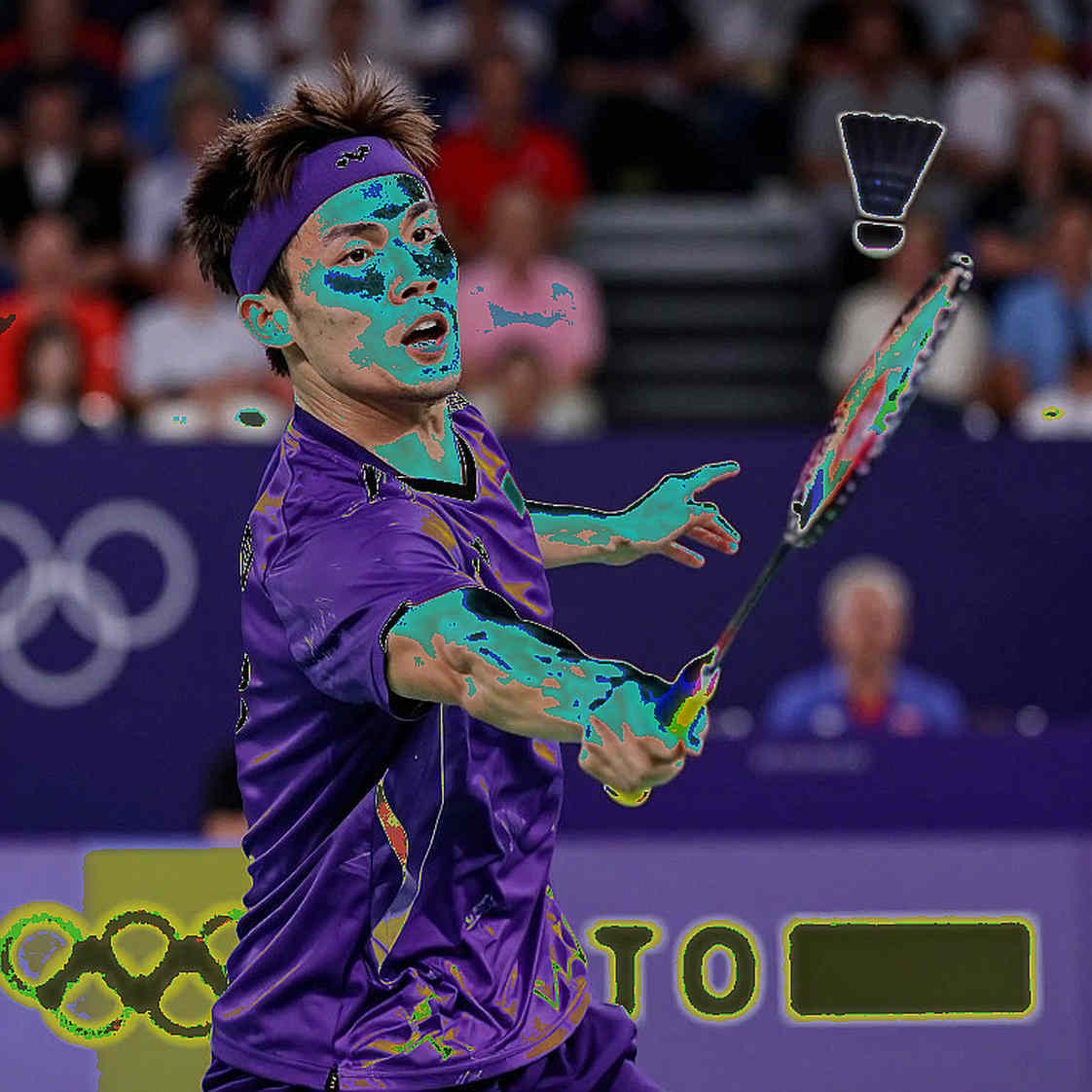
Once in Chattogram I pulled one thread and forty-seven contracts unravelled. This thread is lighter - a single head-to-head line. It still has to be pulled, because the story is where the line is blank.
Context: why this draw is heavier than a World Championships
The 2026 Asian Games badminton events are being staged in Aichi-Nagoya, Japan. The individual-event window runs from 25 to 29 September at the Ichinomiya City Municipal Gymnasium in Aichi Prefecture. The preview lists the date and the venue and never connects them to competitive meaning. That is the first gap.
Badminton is a flagship sport at the Asian Games. A continental medal is not the same currency as ranking points; it belongs to national-squad prestige. For India this is a must-win target. For China, Japan and Korea the prestige is equally heavy. Nobody arrives conserving energy.
Women's singles carries 35 entries. In a knockout bracket that number means uneven byes, and therefore uneven bracket depth. There is a structural fact the preview skips entirely: almost every elite women's singles player is Asian. European contenders are absent by eligibility, but no Asian contender is removed. The draw subtracts no elite name while adding no Western challenger. The result is a field close to world-championship strength on a Japanese court. The 'top five rivals' framing understates the depth.
Then the calendar. The 2026 results cited in the preview indicate that Yamaguchi, Chen Yufei and Wang Zhiyi all went deep at the World Championships and the China Open and Masters. A further top-tier event in late September compresses peak load. The preview reads those deep runs as evidence of strength. They are also a fatigue signal.
And the host advantage. Two Japanese players are in this field, in Japan, with travel-free preparation, familiar courts and crowd support. The preview records the venue and the date and never joins them to the competition. That is the second gap.
The core document: five numbers and one empty column
The head-to-head figures are the only quantitative content in the preview. There is no smash speed, no error rate, no rally length, no record of tactical change. Only wins and losses. Win-loss records do not decide matches; they indicate direction.
An Se-young (Korea, 24) - 0-10 against Sindhu. Ten meetings, ten defeats, across multiple seasons and venues. A record that survives coaching changes is not a mental block; it is a structural problem. Sindhu plays a height-and-reach power attack; points must end early. An Se-young extends rallies, absorbs the first strike and converts defence into counter-attack. As rallies lengthen, the error margin narrows and the advantage of a 31-year-old power athlete narrows with it. The preview's own phrase - An Se-young's 'consistency and ability to sustain pressure through long rallies' - is the only genuinely tactical sentence in the piece, and it diagnoses Sindhu's central problem in passing.
Wang Zhiyi (China, 26) - 3-6. Losing consistently but narrowly. The most recent defeat came at the 2026 World Championships in three games. Against a rally-control opponent Sindhu has not been able to shorten rallies, and a match dragged to a third game is extra risk for an attacker.
Chen Yufei (China, 28) - 7-9. The closest series of the five. All-court drive control against power. The gap is narrow, but without a year-by-year breakdown there is no way to weight recency. The preview does not provide one.
Akane Yamaguchi (Japan, 29) - Sindhu leads 16-14. This record deserves separate treatment. A 16-14 spread over such a long series is neither dominance nor parity; it is evidence of stylistic compatibility. Nobody has solved anybody. The swing factor here is more likely physical than tactical, and the most recent large data point favours Sindhu: the 2026 Japan Open final, won 21-17, 21-17. That is the strongest positive signal in the entire preview. But one match does not break a multi-season pattern.
Tomoka Miyazaki (Japan, 20) - 2-1. This is the most mispriced box in the preview. Ranked No. 7 as of 15 September, aged twenty. A player who reaches the top ten at twenty typically improves materially over the following twenty-four months. She has already beaten Wang Zhiyi 21-19, 23-21, which is the ability to win tight end-games against a grinder. Sindhu's 2-1 lead is therefore a decaying asset, not a durable one. The preview presents it as a favourable draw.
Now the empty column. Sindhu's current world ranking appears nowhere in the piece. That is the single most important missing variable, because ranking determines seeding protection. If Sindhu sits outside the top eight, a collision with a seeded rival arrives before the semifinal. A path to the podium can be drawn with that column left blank. It cannot be verified.
The second empty column is China's. The preview itself notes 'China's strong representation' and names nobody beyond Chen Yufei and Wang Zhiyi. How many Chinese women's singles entries the draw contains is unknown. Dropping one Chinese player from a report is not the same as dropping two or three; a Chinese wall could end Sindhu's bracket before she ever reaches An Se-young.
The third silence is conspicuous. Tai Tzu-ying, Gregoria Mariska Tunjung, Ratchanok Intanon, Pornpawee Chochuwong, He Bingjiao, Han Yue, Kim Ga-eun, Sim Yu-jin, Yeo Jia Min - none appears. On an Asian Games draw sheet, the absence of Thai and Indonesian names is not normal. Whether they were omitted or have simply become irrelevant, nobody reported. Empty bracket, incomplete column - I read the silence between the numbers.
One responsibility here belongs to the reader rather than the writer. Every 2026 result in the preview - the Japan Open final, the China Open, the China Masters, the World Championships - is placed without a single citation. No outlet, no archive link. Of the 58 information points in the source, only the outlet's own promotional lines carry attribution; the rest read 'Source: None'. Treating any of it as settled before the Asian Games begins is closing the ledger without reconciling it.
What the preview misses
First: the list arranges five names around Sindhu, but the field is not that. The field is one apex with a contested second tier beneath it. An Se-young is the apex; closing out a world No. 7 at 21-17, 21-6 in a final is the most revealing data point in the piece, and nobody explained it. China holds numerical depth in the second tier, Japan holds home advantage and the field's most consequential young talent. On current evidence Sindhu belongs to the second tier, not the apex. That is not a slight. It is arithmetic.
Second: the most 'favourable' matchup in the preview is the one most mispriced. The player Sindhu leads 2-1 is twenty years old, ranked seventh, and winning tight games this season. For a 31-year-old attacker that lead is not a defensive asset; it is an asset mortgaged to time. Any bracket calculation that treats Miyazaki as an easy draw is due for a correction, not a doubt.
Third: the preview reads six elite players' deep World Championships runs as proof of strength. I read the same information as a risk indicator. Reaching a season peak and returning to another top-tier event within days doubles the physical tax, and a single-elimination format does not forgive that tax. The pattern is not always consistent, but it happens.
Fourth, weak on proof but worth holding: the preview comes from an Indian sports outlet with an Indian athlete at its centre. That is not distortion; it is editorial product calculation. Seen from Seoul, Beijing or Tokyo, the same field would be framed in reverse - the reign of An Se-young, the rise of Miyazaki, and Sindhu as the obstacle. Only reading both directions produces the real picture, because a one-directional preview cannot be used to price a bracket.
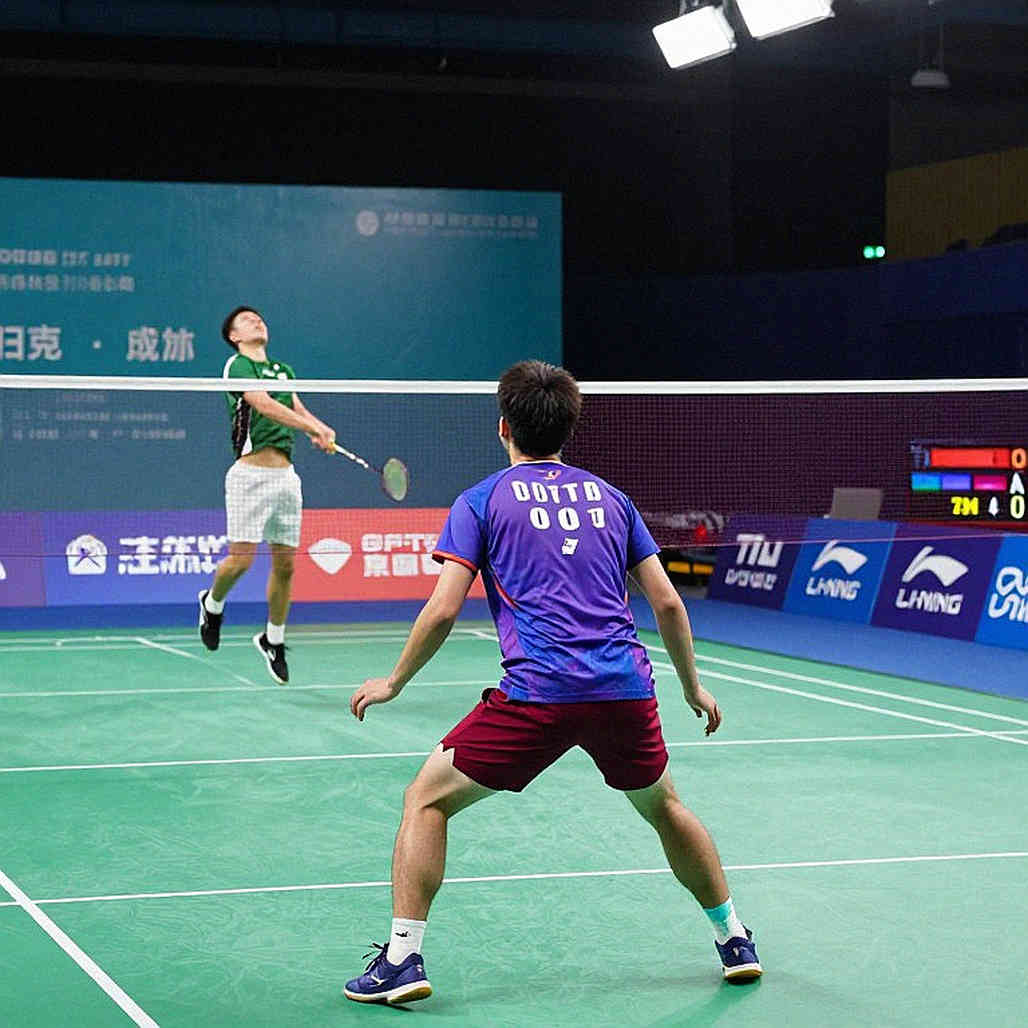
I have also imposed a falsification test on myself. What evidence would make this reading wrong? Two answers. If Sindhu's current world ranking sits inside the top eight and An Se-young falls in the opposite half of the draw, then the semifinal, and possibly more, becomes thinkable. And if the Japan Open form holds across another one or two top-tier events, the 'single-match signal' objection collapses. Unless one of those happens, the rest of the reading stands.
What to watch next
The release of the official Asian Games draw is the first clock. If Sindhu lands in the same half as An Se-young before the semifinal, the 0-10 record is no longer a mood - it is the limit of the path, with a quarterfinal exit the most likely end.
The second clock is the withdrawal list and first-round match durations. If leading Chinese and Japanese players start dropping opening games, the compressed calendar is doing its work, and volatility across the whole bracket rises.
The third clock is the next BWF ranking release. Falling outside seeding protection brings the collision forward; that is not controllable.
The fourth clock is Yamaguchi's third-game win rate and the length of her second innings. If her durability slips, Sindhu's most favourable top-tier matchup narrows with it.
The fifth clock is Miyazaki. A win over any of the top three would confirm the trend, and that headline will be written by the rankings, not by a preview.
Five names, one empty column. Closing the ledger without reconciling it is what has happened here. Tokyo will decide the medals on court, but the paper bracket will decide how many names stand in Sindhu's way, at what rank, and in what order.