
Asian Games 2026 Kabaddi: Bangladesh Out on Score Difference, Chinese Taipei Through
**মূল উত্তর:** এশিয়ান Games ২০২৬ পুরুষ কাবাডির সেমিফাইনালে উঠেছে ভারত, চাইনিজ তাইপেই, ইরান ও থাইল্যান্ড। গ্রুপ এ-তে ভারত চার ম্যাচে চার জয়ে শীর্ষে, গ্রুপ বি-তে ইরানও চার-এ-চার। স্কোর-পার্থক্যে বাংলাদেশ বাদ পড়েছে। স্বর্ণপদক ম্যাচ ২৬ সেপ্টেম্বর। **মূল তথ্য:** - গ্রুপ এ: ভারত ৪ জয়, চাইনিজ তাইপেই ২, বাংলাদেশ ২, জাপান ২, দক্ষিণ কোরিয়া ০। - গ্রুপ বি: ইরান ৪ জয়, থাইল্যান্ড ৩, পাকিস্তান তৃতীয় হয়ে বাদ, নেপাল ১, মালয়েশিয়া ০। - চতুর্থ দিনে ইরান থাইল্যান্ডকে ৮৩-২৭ এবং পাকিস্তানকে ৫১-৩০-এ হারায়। - ভারত চাইনিজ তাইপেইকে ৩৭-২১, জাপান দক্ষিণ কোরিয়াকে ৬২-৩৫, নেপাল মালয়েশিয়াকে ৭৩-৫২-এ হারায়। - থাইল্যান্ডের প্রথম এশিয়ান Games কাবাডি পদক; পাকিস্তান প্রথমবার পদক ছাড়া ফিরছে। **সূত্র:** Khel Now (khelnow.com)-এর Asian Games 2026 কাবাডি গ্রুপ পর্ব রিপোর্ট। **সম্পর্কিত প্রশ্নোত্তর:** প্রশ্ন: চাইনিজ তাইপেই কীভাবে সেমিফাইনালে উঠল? উত্তর: দুই জয় নিয়ে স্কোর-পার্থক্যে বাংলাদেশ ও জাপানের চেয়ে এগিয়ে থেকে। প্রশ্ন: ভারতের গ্রুপ পর্বের রেকর্ড কী? উত্তর: গ্রুপ এ-তে চার ম্যাচে চার জয়, টেবিলের শীর্ষে। প্রশ্ন: পাকিস্তান কেন পদকহীন থাকল? উত্তর: গ্রুপ বি-তে তৃতীয় হয়ে বাদ পড়ায়, যা এশিয়ান Games কাবাডিতে তাদের প্রথম পদকহীন বিদায়।
The points table of Group A appeared on the screen after the fourth day of competition and I wrote three names side by side on my notepad: Chinese Taipei, Bangladesh, Japan. Two wins each from four matches. One semi-final ticket. My habit of drawing cover shadows on a chalkboard was useless here, because the calculation was simple and cruel: score difference. Chinese Taipei climbed up, Bangladesh fell away, and Japan stayed fourth as host. Same number of wins, three different fates. A kabaddi points table can become more tactical than the play itself.

Of every match I watched in this group stage, the one I kept returning to was India versus Chinese Taipei, 37-21. The margin was sixteen points, and those sixteen points handed Chinese Taipei a second consecutive Asian Games kabaddi medal. The team lost the match without losing the mat. It lost exactly as much as was safe to lose.
I reverse-engineer matches like a mechanic reading a whiteboard. Player names and reputations are not evidence to me; footage and scoresheets are the raw material. I launched Khulna with a chalkboard and a bad connection, and the habit has not changed: diagram first, prose second. When I broke down Monaco's 3-1 win in 2026, I learned how half-spaces and cover shadows manufacture room. Kabaddi does the same under tighter tolerance, because there is no passing lane here, only breath and time.
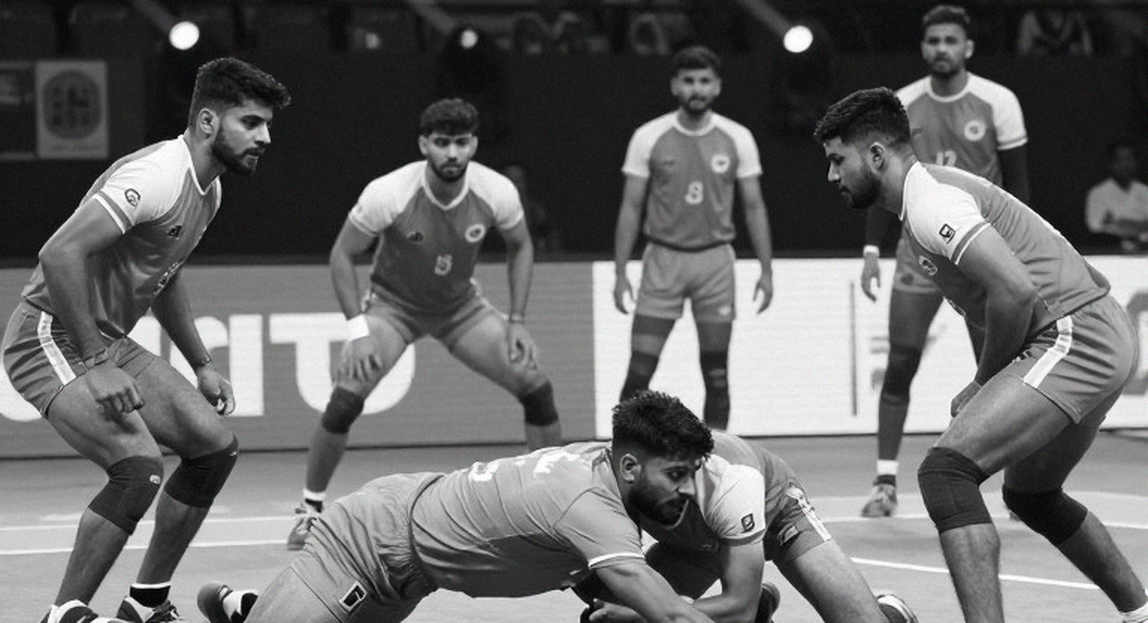
What the data says: day four
Iran opened the day by dismantling Thailand 83-27, the largest margin of the Asian Games 2026 men's kabaddi tournament, ending Thailand's unbeaten run. Hosts Japan then beat the Republic of Korea 62-35 to finish their campaign with a win, leaving Korea without a single victory. India beat Chinese Taipei 37-21, but the margin stayed small enough for Taipei. In the evening session Nepal finally won, beating Malaysia 73-52, and Iran beat Pakistan 51-30 to end Pakistan's medal hopes.
Group A settled plainly. India top with four wins from four. Chinese Taipei second on two wins, securing a second straight Asian Games kabaddi medal. Bangladesh third, also on two wins, missing the semi-finals by a very narrow score-difference margin. Japan fourth, also two wins, eliminated as hosts but having shown a brand of kabaddi that suggests a coming top nation. Korea bottom with four losses.
Group B went as expected at the top: Iran first with four wins from four, like India. Thailand second with three wins, their first-ever Asian Games kabaddi medal. Pakistan third and eliminated, returning home without a kabaddi medal for the first time. Nepal fourth with one win, taken on the final day of the league stage. Malaysia bottom without a win. Four semi-finalists — India, Chinese Taipei, Iran, Thailand — have each secured a medal, and the men's gold medal match will be played on September 26.
The real story lives in mat geometry
Iran's 83 points were not a sudden explosion. Watching frame by frame, their raiders were touching the bonus line almost every raid in the first ten minutes while Thailand's two covers kept retreating a step. Kabaddi's five-defender geometry — two corners, two covers, one centre — breaks precisely when the cover pair stretches its own distance. Stretch it and the corners' cover shadow opens, and the raider walks into the gap. It resembles a third-man run in football, though the limits of that mapping are clear: there is no transfer pass here, so the advantage comes from foot speed and breath count, not passing complexity.
Why Thailand managed only 27 is the day's most instructive question. Their raiders repeatedly chose the corner over the lobby on do-or-die raids. Corner do-or-die maths favours the defence, who are set, and a raider running low on breath hurries. Iran kept placing the raider exactly where he was weakest. Attacking geometry here favours the defence, and assuming otherwise is a mistake.
India-Chinese Taipei was a different animal. India scored 37, low against their capacity, because they slowed their raid cadence through the third block, managing the margin deliberately. When I placed India's entry zones beside Taipei's defensive blocks, Taipei raiders were taking tackle points off isolated defenders rather than risking big raids. Even in defeat they harvested small points, and that is exactly what carried them through.
Japan's 62-35 over Korea was a picture of structural collapse. Korean corners arrived late, so the centre's line kept breaking, and Japan took points before the raid ended. Korea's zero wins is not purely a talent problem; it is the clear decay of a structure repeating the same error. Thailand's three wins and first medal tell the opposite story — accumulated defensive habit rather than a single-day explosion.
Environmental variables the diagram never shows
In empty stadiums, every echo became a pressing trigger. I built that habit after watching Bayern's 8-2 in 2026: crowd, humidity, travel and schedule get their own section in every preview. In Japan, mat humidity and hall temperature were changing raiders' grip; on some raids the risk of slipping was visible. Inside a thirty-second raid window, these small variables decide what is drawable and what is executable. Kabaddi has no five-substitute structural advantage, but squad depth and substitution timing still make the final ten minutes a lottery, and there Iran and India sit clearly ahead of Thailand and Chinese Taipei.
The referee's angle is not merely technical. Tackles near the lobby line carry the weight of crowd noise, host presence and media pressure from bigger teams. On paper the rules are equal; in practice the stadium's aura and the press spotlight tilt the field. I claim nothing without footage, only that the pattern shows up when you watch frame by frame.
Data analysts have entered dressing rooms, and their conclusions often drift from the match's actual rhythm. No coach can run a live score-difference budget; the seven men on the mat are thinking about the next raid and the next breath, not the spreadsheet.
Contrarian: score difference is a currency nobody budgets
Bangladesh did not miss the semi-finals because they lost a match. They missed it because in the matches they won early, they did not inflate the margin. Score difference is a currency earned and spent on every raid, yet almost no team plans for it. Chinese Taipei is the exception: they lost to India but controlled how much they lost by, finishing raids quickly, choosing safe tackles, avoiding bonus-line risk. For smaller teams, that is the correct strategy, and it is kabaddi's least discussed skill.
Korea's zero wins and Pakistan's first medal-less exit are not talent crises; they are infrastructure arithmetic. Thailand's rise is equally no accident. On film, the same small errors accumulate raid after raid. I once tracked N'Golo Kanté's shadow at the 2026 World Cup; the same logic works here in a different register, because a cover shadow becomes tackle coverage, and that conversion gap is the door attackers walk through.
On environment, one clarification. Stadium atmosphere changes decisions, but turning that into conspiracy theory is not my job. Big clubs and small clubs are not treated the same way — that is an observation from frame-by-frame review, with a confidence tag attached, not an attack on officials.
Where to look, what everyone will miss
Scoreboards will show raid points and tackle points; the real fight is the cover pair's distance. India and Iran raid at different cadences. India are patient, drawing defenders out; Iran seize the rhythm inside the first twenty minutes. Thailand and Chinese Taipei have one weapon — slow the game and keep the margin tight. Cross-over format suggests India face Thailand, and Iran face Chinese Taipei.
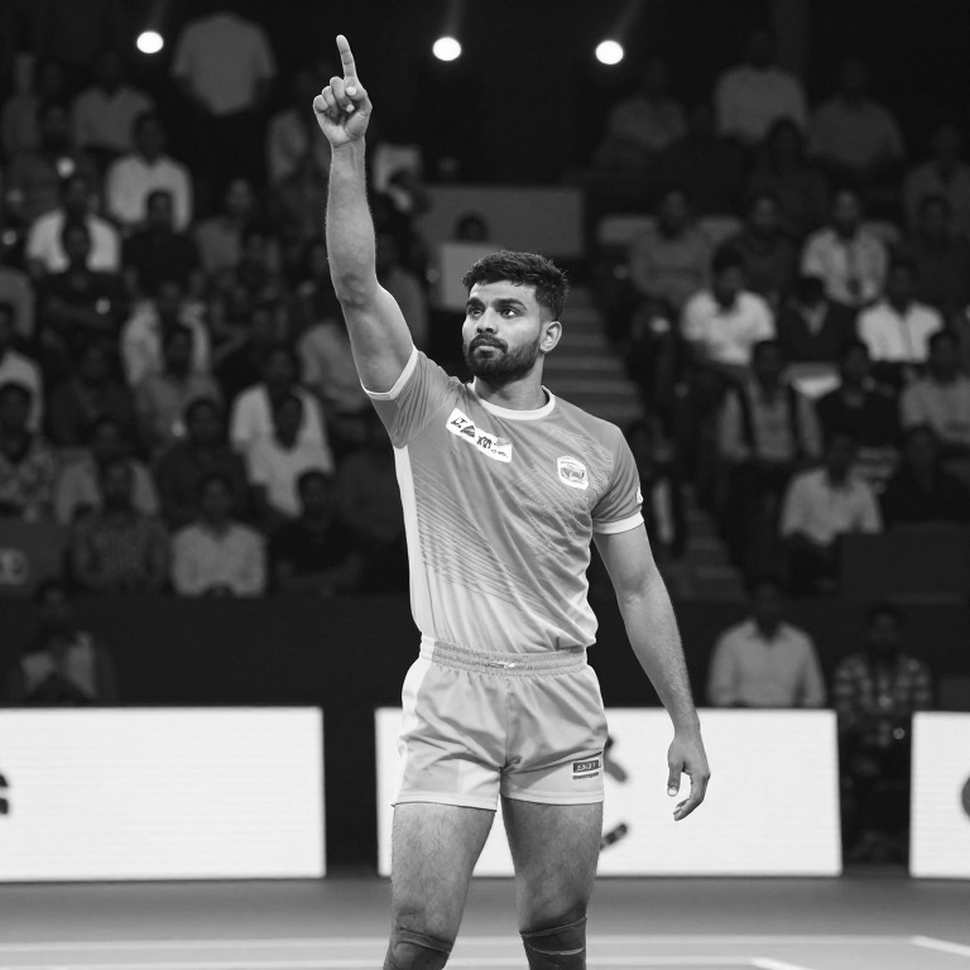
For the September 26 gold medal match, my early read is an Iran-India final, with both teams having gone four from four. But one raid can change everything, and we have seen it twice in three days. The last forty-five seconds, not the last point, decide the colour of the medal.
Takeaway
Two questions stay open on my notepad. How much of score difference can a team genuinely control in real time — the semi-final's last two minutes may answer it. And will Japan's medal-less host campaign translate into structural investment, or remain a bitter memory? So long as mat humidity and human noise decide together, the sport is not pure arithmetic — it is a running compromise between breath, friction and the diagram. When India and Iran meet, I will count the first five raids of each cover pair. The final will be written there.